

Fire detection
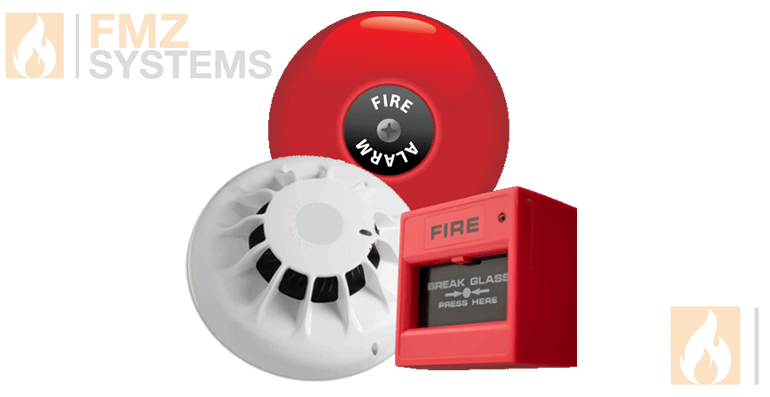
Automatic Fire Detection Systems are essential components of the responsible safety management concept.
Flames, smoke, rapid temperature rise, and sparks are all signs and events that indicate a fire that must be detected as early as possible.
Requested by insurers and major clients or required by safety standards depending on the company's activity or establishment classification, Automatic Fire Detection Systems are designed to:
- Detect
- Locate
- Alert
The challenge for you is to detect it as early as possible in order to initiate the necessary actions to avoid or limit damage and losses.
Fire safety systems are the answer to this challenge. Defined in the NF standard, an FSSI is "a system consisting of all the equipment used to collect all information or orders related to fire safety, to process it, and to perform the functions necessary to secure a building." A complete fire alarm system is characterized by the presence of a detection component and "action" modules (known as "fire safety" modules) responsible for activating the planned responses to a fire.
Perfect detection strikes the right balance between early detection and reliability. Given the dangers of fire and its phenomenal speed of spread, the greatest possible early detection is required from your detection systems to prevent the fire from spreading and limit the damage caused.
However, false alarms are a pernicious hazard due to the disruption they generate and the risk of negligence they can cause when a real fire occurs.
For this reason, fire professionals have been working for years on increasingly sophisticated and innovative solutions to detect the start of a fire as early as possible, even in the smoldering stage, while preventing the risk of generating false alarms.
Once a fire is detected, it is essential to act quickly to limit its spread and protect your users, while waiting for automatic extinguishing measures to be implemented or upon the arrival of emergency services.
This is the role of the fire safety control center, which controls the technical equipment responsible for signaling the fire, containing it to prevent its spread, activating smoke extraction equipment, shutting down technical installations that could create additional risks, and ordering the evacuation of your users.